blog

Fake Leaks and Real Damage: How Rumors Are Created for Publicity

B2-C1


In today’s world of media and celebrities, rumors are not always accidental. Sometimes, they are carefully planned by public relations (PR) teams to get attention or control a story. These are called “fake leaks”—false or exaggerated stories that seem like secrets but are actually created on purpose. This article explains how fake leaks work, why they are used, and the damage they can cause. It is written for B2-C1 English learners, with simple explanations and vocabulary tips to help you learn.

What Are Fake Leaks?

A fake leak is when someone, like a publicist or a celebrity’s team, shares false or exaggerated information with the media to make people talk about it. The goal is to create excitement, promote a project, or sometimes harm someone’s reputation. For example, a fake leak might say a celebrity is dating someone new to get headlines, even if it’s not true.

Vocabulary tip:

  • Publicist (n): A person who promotes someone or something in the media, e.g., “The publicist told the newspaper a fake story.”
  • Exaggerated (adj): Made bigger or more dramatic than it really is, e.g., “The rumor was exaggerated to get attention.”

A Brief History of Fake Leaks

Fake leaks are not new. Over 100 years ago, in 1910, a Hollywood producer named Carl Laemmle spread a false rumor that actress Florence Lawrence had died. Then, he placed advertisements saying she was alive and starring in his new movie. This trick made people curious about Lawrence and helped promote the film. It was one of the first known PR stunts in Hollywood.

In the 1930s and 1940s, gossip writers like Hedda Hopper received stories from studios. Some were true, but many were made up to make stars look good or hide scandals. This shows that fake leaks have been part of the entertainment world for a long time.

Example: Imagine a modern celebrity’s team telling a website that the celebrity is sick to get sympathy from fans. Later, it turns out the story was fake to promote a new TV show.

Famous Examples of Fake Leaks

  1. Michael Jackson and the “Wacko Jacko” Stories
    In the 1980s, Michael Jackson’s team created strange rumors to keep him in the news before his Bad album. For example, they leaked a photo of Jackson in a hyperbaric oxygen chamber, claiming he slept there to stay young. Another rumor said he wanted to buy the bones of the “Elephant Man.” These stories were fake but made Jackson seem mysterious. They helped promote his music, but they also gave him a nickname, “Wacko Jacko,” which hurt his reputation later. Vocabulary tip:
    • Hyperbaric oxygen chamber (n): A machine that gives extra oxygen, often used in medicine, e.g., “The rumor said he slept in a hyperbaric chamber.”
    • Reputation (n): What people think about someone, e.g., “The rumor damaged his reputation.”
  2. Kim Kardashian’s Sex Tape
    In 2007, a private video of Kim Kardashian was leaked, making her famous. Kim said it was an accident, but some believe her team planned the leak to get attention. This helped launch her reality TV show and career. However, it also caused embarrassment and criticism. This shows how fake leaks can bring fame but also problems.
  3. Fake Celebrity Relationships (“Showmances”)
    Sometimes, celebrities pretend to date for publicity. This is called a “showmance.” For example, two movie stars might act like a couple to promote their film. In 2023, some people thought Taylor Swift’s relationship with NFL player Travis Kelce was a PR stunt. A fake document even claimed their breakup was planned, but their team said it was not true. Showmances can create buzz, but they can also make fans feel tricked. Vocabulary tip:
    • Showmance (n): A fake romantic relationship for publicity, e.g., “Their showmance was only for the movie premiere.”
    • Buzz (n): Excitement or attention, e.g., “The rumor created a lot of buzz online.”

Why Do PR Teams Use Fake Leaks?

PR teams use fake leaks for different reasons:

  • Promotion: To make people excited about a movie, album, or event.
  • Distraction: To take attention away from bad news, like a scandal.
  • Image Control: To make someone seem more interesting or likable.
  • Harming Others: Sometimes, leaks are used to hurt a rival’s reputation. For example, in 2024, a video of Sean “Diddy” Combs was leaked, damaging his image before a trial. His team claimed it was done on purpose to make him look bad.

The Damage of Fake Leaks

While fake leaks can create attention, they can also cause harm:

  • Reputation Damage: Michael Jackson’s strange rumors made him seem eccentric, which hurt his image over time.
  • Emotional Harm: In 1970, actress Jean Seberg was targeted by a false rumor spread by the FBI. It claimed she was pregnant with a Black Panther’s baby, which wasn’t true. This caused her so much stress that she lost her baby and later her life.
  • Loss of Trust: When fans learn a story was fake, they may stop trusting celebrities or the media.

Example: If a singer leaks a fake story about a breakup to promote a song, fans might feel betrayed when they learn the truth.

Fake Leaks in the Digital Age

Today, social media like X and TikTok makes fake leaks spread faster. A rumor can go viral in hours. For example, in 2009, a documentary team tricked British newspapers into publishing fake celebrity stories, like Amy Winehouse’s hair catching fire. This showed how easy it is to fool the media. However, people are also more skeptical now and often question if a story is a PR stunt.

Vocabulary tip:

  • Viral (adj): Spreading quickly online, e.g., “The rumor went viral on X.”
  • Skeptical (adj): Doubting or not believing easily, e.g., “Fans were skeptical about the rumor.”

How to Spot a Fake Leak

To avoid being fooled, ask yourself:

  • Who benefits? Does the rumor help someone’s career or project?
  • Is the timing suspicious? Does the story appear right before a big event, like a movie release?
  • Is it too dramatic? Outrageous stories are often fake to grab attention.

Example: If you read that a celebrity is suddenly in a scandal just before their new album comes out, it might be a planned leak.

Conclusion

Fake leaks are a powerful tool in the world of PR. They can create excitement, promote projects, or even harm someone’s image. However, they can also cause real damage, from hurting reputations to breaking trust. As English learners, understanding these stories helps you think critically about the media you read. Next time you see a surprising headline, ask yourself: Is this real, or is it a carefully planned rumor?

Discussion question: Have you ever heard a celebrity rumor that turned out to be fake? How did you feel when you learned the truth?
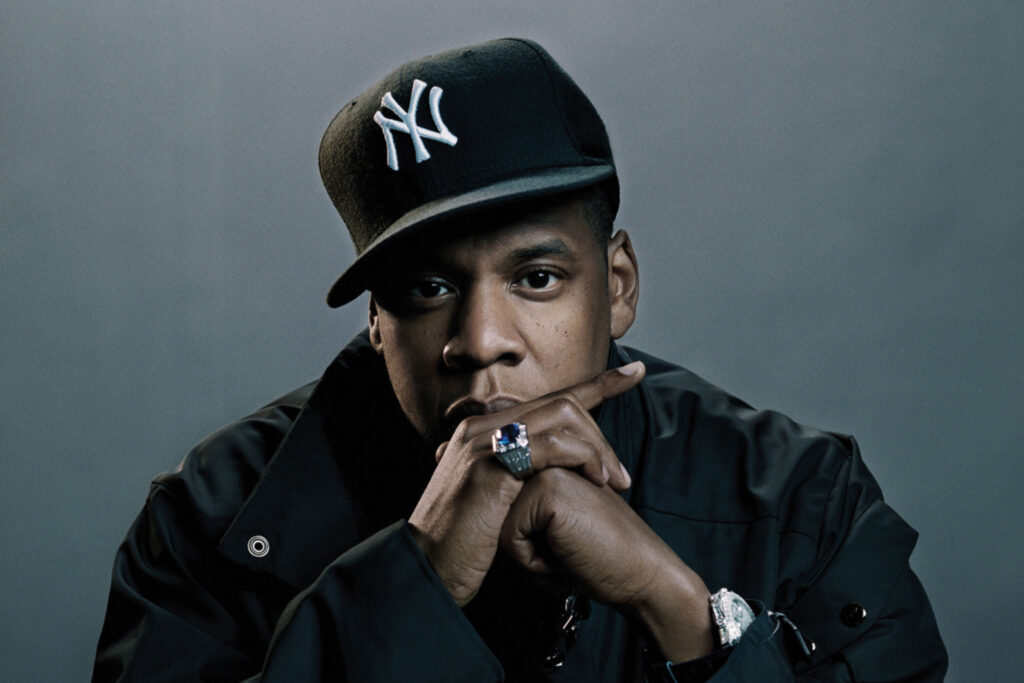
“The Song Cries, So He Doesn’t Have To” – Jay-Z, Emotional Intelligence, and the Art of Performative Pain

An English + Psychology Learning Article by The English Agenda

Introduction: Can a Master Manipulator Make You Cry?

How does a man known for business ruthlessness and emotional restraint make songs that break your heart? Jay-Z has often been described as cold, calculating, even robotic. Yet, his music has delivered some of hip-hop’s most emotionally charged moments.
In this article, we explore:

How emotional storytelling works through emotional intelligence without emotional investment

-The psychology behind proxy emotion and artistic detachment
-Key vocabulary around psychology and music
How to use Jay-Z lyrics to level up your English

PART 1: Emotional Intelligence Without Emotional Investment

“I’m not a businessman / I’m a business, man.”
— Jay-Z, “Diamonds From Sierra Leone (Remix)”

Jay-Z may not feel the way you do -but he sure knows how you feel. That’s the difference between emotional intelligence and emotional investment.

The Theory of Proxy Emotion
Think of Jay-Z as an emotional architect. He doesn’t build with his own feelings, he builds with yours. He constructs experiences that trigger your emotions while maintaining strategic distance from his own.

Vocabulary Boost:
TermMeaningEmotional intelligenceThe ability to understand and manage emotions (your own and others’)Emotional investmentActually feeling and being affected by emotionsProxy emotionUsing external elements (music, narrative) to carry emotional weightEmpathyThe ability to feel what others are feelingDetachmentA lack of emotional involvement while maintaining awareness

The Strategic Vulnerability Paradox
Jay-Z demonstrates what psychologists call strategic vulnerability—revealing personal information not from a place of genuine openness, but as a calculated artistic choice. He confesses without truly confiding.

PART 2: Master of Emotional Architecture

Jay-Z isn’t just a rapper. He’s a master builder of emotional experiences. He doesn’t tell you how he cried -he constructs scenarios that make you cry.

“I seen hoop dreams deflate like a true fiend’s weight” — “D’Evils”
The Construction Method:

Visual Imagery (“I seen hoop dreams deflate”)
Metaphorical Connection (dreams = deflating balloon)
Cultural Reference (basketball dreams in inner city)
Emotional Payoff (reader feels the crushing disappointment)

He doesn’t scream or sob. He engineers moments that do the emotional work for him.

Vocabulary Boost:
ExpressionMeaningHoop dreamsDreams of becoming a successful basketball player (or achieving big goals)DeflateLose air, energy, or hopeFiendA person addicted to drugs (slang)Emotional architectureThe deliberate construction of emotionally impactful experiences

PART 3: The “Song Cry” Phenomenon – Grammar of Detachment

Let’s analyze this iconic lyric that perfectly embodies emotional intelligence without emotional investment:

“I can’t see ’em comin’ down my eyes / So I gotta make the song cry.”

Linguistic Breakdown:
Grammar FeatureExamplePsychological EffectModal verb + negation”I can’t see”Creates limitation, not inabilityPresent participle”comin’ down”Ongoing action he’s actively blockingContraction”’em” = themCasual dismissal of tearsCausative construction”make the song cry”Transfer of emotional responsibility

The Genius of Emotional Transfer
Notice the psychology: Jay-Z doesn’t say he can’t cry. He says he can’t see himself crying. The tears might be there, but his emotional intelligence prevents him from acknowledging them. Instead, he delegates the crying to the song itself.

PART 4: The Science Behind Performative Empathy
Emotional Intelligence vs. Emotional Investment:

The Key Difference
Emotional Intelligence:
-Recognizing emotional patterns
-Understanding what triggers specific feelings
-Knowing how to manipulate emotional responses
-Strategic use of vulnerability

Emotional Investment:
-Actually feeling the emotions
-Being personally affected by the outcome
-Genuine vulnerability and risk
-Uncontrolled emotional responses

Jay-Z’s Artistic Methodology:
Research shows that Jay-Z rarely breaks a sweat during live performances, instead using “smoothness and clever wordplay” to maintain audience engagement. This suggests a calculated, almost mathematical approach to emotional storytelling.
His ability to write lyrics entirely in his head demonstrates cognitive processing rather than emotional outpouring—he’s computing the most effective emotional combinations.

The Proxy Emotion Theory in Action
Jay-Z employs three main techniques:

Musical Proxies: Let the beat carry the sadness
Narrative Proxies: Let the story generate empathy
Linguistic Proxies: Let wordplay create emotional resonance

Mini Task: Identify the Proxy
Match the lyric with its emotional proxy method:
LyricProxy Method”You must love me”a) Musical (desperate melody)”It was all good just a week ago”b) Narrative (time contrast)”I’m from the school of the hard knocks”c) Linguistic (metaphor)”I’m not afraid of dying”d) All three combined
Answers: 1→a, 2→b, 3→c, 4→d

PART 5: Advanced Analysis – The Confession Without Remorse

Rather than focus on trying to fix relationships or assign blame like most breakup songs, Jay-Z’s “Song Cry” demonstrates strategic confessionaccepting tragic endings while reflecting on mistakes without genuine emotional investment in the outcome.

The Emotional Architect’s Blueprint:

Assessment: Analyze what emotions the audience needs
Construction: Build scenarios that trigger those emotions
Delegation: Let external elements (music, metaphors, narratives) carry the emotional weight
Detachment: Maintain personal emotional distance while delivering maximum impact

Advanced Vocabulary:
TermMeaningStrategic confessionRevealing personal information for artistic effect, not genuine opennessEmotional proxyUsing external elements to carry emotional weightPerformative empathySimulating emotional depth without actually feeling itCognitive processingMental calculation rather than emotional reaction

PART 6: The Literary Genius of Emotional Detachment
Jay-Z’s true genius lies not in his vulnerability – it’s in his command. He doesn’t cry in the song. He makes the song cry for him.

Why This Works:

-Reliability. Audiences can depend on consistent emotional delivery
-Universality: Calculated emotions appeal to broader audiences
-Repeatability: Performative emotion doesn’t exhaust the performer
-Control: The artist maintains power over the emotional narrative

The Ultimate Paradox:
Whether or not Jay-Z feels deeply is irrelevant. You do. And that’s the mark of a master emotional architect – someone who can construct profound emotional experiences through intelligence without investment.

Conclusion: The Art of Emotional Intelligence Without Emotional Investment
Jay-Z represents a fascinating case study in artistic emotional intelligence. He demonstrates that you can:

-Understand emotions without being controlled by them
-Create profound emotional experiences without personal vulnerability
-Master the language of feeling without the chaos of actual feelings
-Build connection through calculated rather than spontaneous emotion

This isn’t about lacking empathy—it’s about professional emotional intelligence. Like a skilled surgeon who must remain calm during life-or-death procedures, Jay-Z maintains emotional composure while performing emotional surgery on his listeners.

Bonus English Expression:
“He doesn’t wear his heart on his sleeve.”
Meaning: He doesn’t show his emotions openly—but he sure knows how to make you show yours.

Final Reflection Question:
Is emotional authenticity necessary for emotional impact? Jay-Z’s career suggests that emotional intelligence without emotional investment might actually be more powerful than raw, unfiltered feeling.
The song cries, so he doesn’t have to. And somehow, that makes it cry harder.

the most painful ways to die


The Most Painful Ways to Die


The Most Painful Ways to Die

(And the Words That Survive Them)

Pain has a language of its own.

And nowhere is that language more precise, poetic or horrifying than in the history of human death.

The world has invented endless ways to hurt, forever reminding us that language survives even where bodies don’t.

But only a few methods documented were so creatively brutal, so wickedly performed that they remain etched in the collective memory — as both history and metaphor.

Let’s look at three of the most agonizing deaths ever recorded, and the English that came out of them.

▼ SCAPHISM (PERSIA)

This ancient method involved tying the victim between two boats or in a hollowed log, force-feeding them milk and honey, then smearing the mixture all over their body. Insects would be drawn to the sweet coating, slowly devouring the person alive over several days or even weeks.

The horror wasn’t just physical — it was psychological, spiritual, and metaphorical. It became a grotesque symbol of rot from within. The word “scaphism” lives on in English as a haunting reminder of suffe

Black Swan


The Most Painful Ways to Die


The Most Painful Ways to Die

(And the Words That Survive Them)

Symbolic Image

Pain has a language of its own.

And nowhere is that language more precise, poetic or horrifying than in the history of human death.

The world has invented endless ways to hurt, forever reminding us that language survives even where bodies don’t.

But only a few methods documented were so creatively brutal, so wickedly performed that they remain etched in the collective memory — as both history and metaphor.

Let’s look at three of the most agonizing deaths ever recorded, and the English that came out of them.

▼ SCAPHISM (PERSIA)

This ancient method involved tying the victim between two boats or in a hollowed log, force-feeding them milk and honey, then smearing the mixture all over their body. Insects would be drawn to the sweet coating, slowly devouring the person alive over several days or even weeks.

The horror wasn’t just physical — it was psychological, spiritual, and metaphorical. It became a grotesque symbol of rot from within. The word “scaphism” lives on in English as a haunting reminder of suffering both literal and symbolic.

VOCAB BOX:
Grotesque – unpleasant in a shocking or unnatural way
Devour – to eat hungrily or quickly
Metaphorical – not literal; symbolic in meaning
▼ CONTINUE READING: BRAZEN BULL →